 Seth Godin on Education Reform video inspired this blog post. Our children are entering a world of work utterly unlike the one we prepared for, yet our schools remain trapped in a 150-year-old design. This system wasn’t built for human potential; it was engineered to produce compliant factory workers — punctual, obedient, and good at following instructions. But the factories are gone. Today, value is created through creativity, trust, and solving interesting problems. Why, then, are our children still rewarded primarily for memorizing facts and avoiding mistakes?
We keep asking schools for higher test scores, so that’s what they produce. But in an economy where a smartphone holds all known facts, memorization is a poor use of our children’s precious classroom time. We are measuring the wrong things. If we demand test scores, we will get great test-takers. But if we demand enlightened, resilient problem-solvers, schools would have no choice but to transform.
The future belongs to connectors and leaders. It requires the very skills school often stamps out: the courage to attempt things that “might not work.” Think of Lego: we give children a kit with instructions, but we must also give them a pile of random bricks and the freedom to create something entirely new, even if it fails. That’s where true innovation is born.
We have a once-in-a-generation opportunity. The tools for change exist. Imagine if our 8-year-olds tinkered with powerful, affordable technology to solve open-ended problems. Imagine if classroom time was used for mentoring and hands-on projects, while lectures were watched at home. This “flipped” model cultivates the judgment and initiative the modern world rewards.
The call to action is ours. We must stop being satisfied with grades and start asking our schools a better question: “Are you helping my child become a capable, creative human who desires to make a difference?” The passionate educators within the system can solve this problem if we, as parents, clearly demand that new outcome.
Our children won’t thrive in the new economy with an old education. It’s time we match our demands for their schooling with the future they will actually inhabit.
Download Seth Godin’s free ebook, Stop Stealing Dreams here.
This is Seth Godin on Education Reform
<iframe width=”560″ height=”315″ src=”https://www.youtube.com/embed/UNP0zlIWIHA?si=9IrW9e3CvrW5et_N” title=”YouTube video player” frameborder=”0″ allow=”accelerometer; autoplay; clipboard-write; encrypted-media; gyroscope; picture-in-picture; web-share” referrerpolicy=”strict-origin-when-cross-origin” allowfullscreen></iframe>
Three Book Recommendations for Further Insight:
1. The Innovator’s Mindset: Empower Learning, Unleash Talent, and 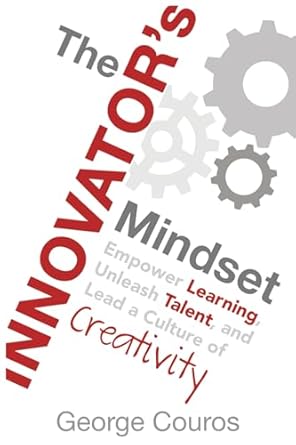 Lead a Culture of Creativity by George Couros. This book directly addresses how to foster the kind of curiosity and problem-solving skills in students that are critical for the modern world. John Taylor Gatto was a pioneer in fostering curiosity and problem-solving in his school classes by getting children out of the classroom and into the real world.
 2. Mindset: The New Psychology of Success by Carol S. Dweck. Essential reading for understanding how to praise effort over innate ability, helping children develop the resilience to embrace challenges and learn from failure. This is important for parents to take control of their child’s success and not depend on teachers to do all the work. Teachers after all are strangers who children spend a lot of time with and they may or may not care deeply about the long term outcomes for the children. Parents must be proactive to reinforce the mindset of their children.
 3. Creative Schools: The Grassroots Revolution That’s Transforming Education by Ken Robinson and Lou Aronica. This book provides a compelling vision and practical examples of how schools can move beyond standardized testing to nurture student creativity and individuality. Ken Robinson gave one of the most popular TED Talks ever on do schools kill creativity.
There are several videos on Youtube by Seth Godin on education reform and schooling.