 The idea that companies track your every move used to sound like paranoia. But in 2025, it’s simply reality. And while adults may accept this as part of modern life, parents must face a more urgent truth: your children are being tracked too, often more aggressively than you are.
As I explain in Privacy Is Possible, the most dangerous surveillance isn’t done by governments—it’s done by private corporations whose profits depend on knowing everything about you. This is how companies track your family online.
Tracking Tools You Never See
Companies use dozens of invisible tools to follow your family online, including:
• Cookies and Super Cookies
Track browsing habits across multiple sites—even after deletion.
• Device Fingerprinting
Identifies your phone or laptop based on unique characteristics, even in “private” mode.
• AI Emotion Tracking
Apps analyse facial expressions, scrolling patterns, and voice tone to determine emotions.
• Location Beacons
Retailers track your movements inside stores using Bluetooth and Wi-Fi.
• Cross-App Data Sharing
Your weather app may share information with your fitness app, which shares it with advertisers.
• School Ed-Tech Data
Homework apps, reading apps, and math platforms collect more information than most parents realise.
The biggest problem? Your children are prime targets because young users generate authentic emotional responses—highly valuable to advertisers.
Why Children Are the ‘Perfect Consumer’
Kids are impressionable, enthusiastic, curious, and easily influenced. Advertisers know that if they can shape a child’s preferences early, the long-term payoff is enormous.
This is why children’s platforms track:
-
Search behaviour
-
Interests and hobbies
-
Emotional vulnerabilities
-
Parental income signals
-
Social connections
-
Bedtime routines
-
Even what makes them laugh
This isn’t hypothetical. It’s documented industry practice. This is how companies track your family online.
The Danger of Life-Long Profiling
When your child turns 18, companies may have:
-
A decade of behavioural analytics
-
Psychological profiles that predict buying patterns
-
Data-driven assessments of insecurities
-
A map of every place your child has lived or visited
-
AI-generated predictions about health, finance, and education
This level of insight gives companies—and potentially scammers—immense power.
How Families Can Fight Back
1. Use anti-tracking browsers
Firefox, Brave, and Safari are good starts.
2. Review app permissions monthly
Remove access to contacts, location, photos, and microphone unless essential.
3. Teach kids to recognise manipulative design
Explain why “free” isn’t free.
4. Turn off ad personalisation everywhere
Google, Apple, Meta—all offer opt-outs.
5. Reduce digital noise at home
Smart TVs, speakers, and tablets collect more data than most parents realise.
6. Be intentional with what you share about your kids
Your posts help build your child’s profile—often permanently.
Academic Reference
Big Tech Platforms: What Are the Limits to “Big Brother” Surveillance and Influence? by Gawer, A.
Book Recommendation
📚 “The 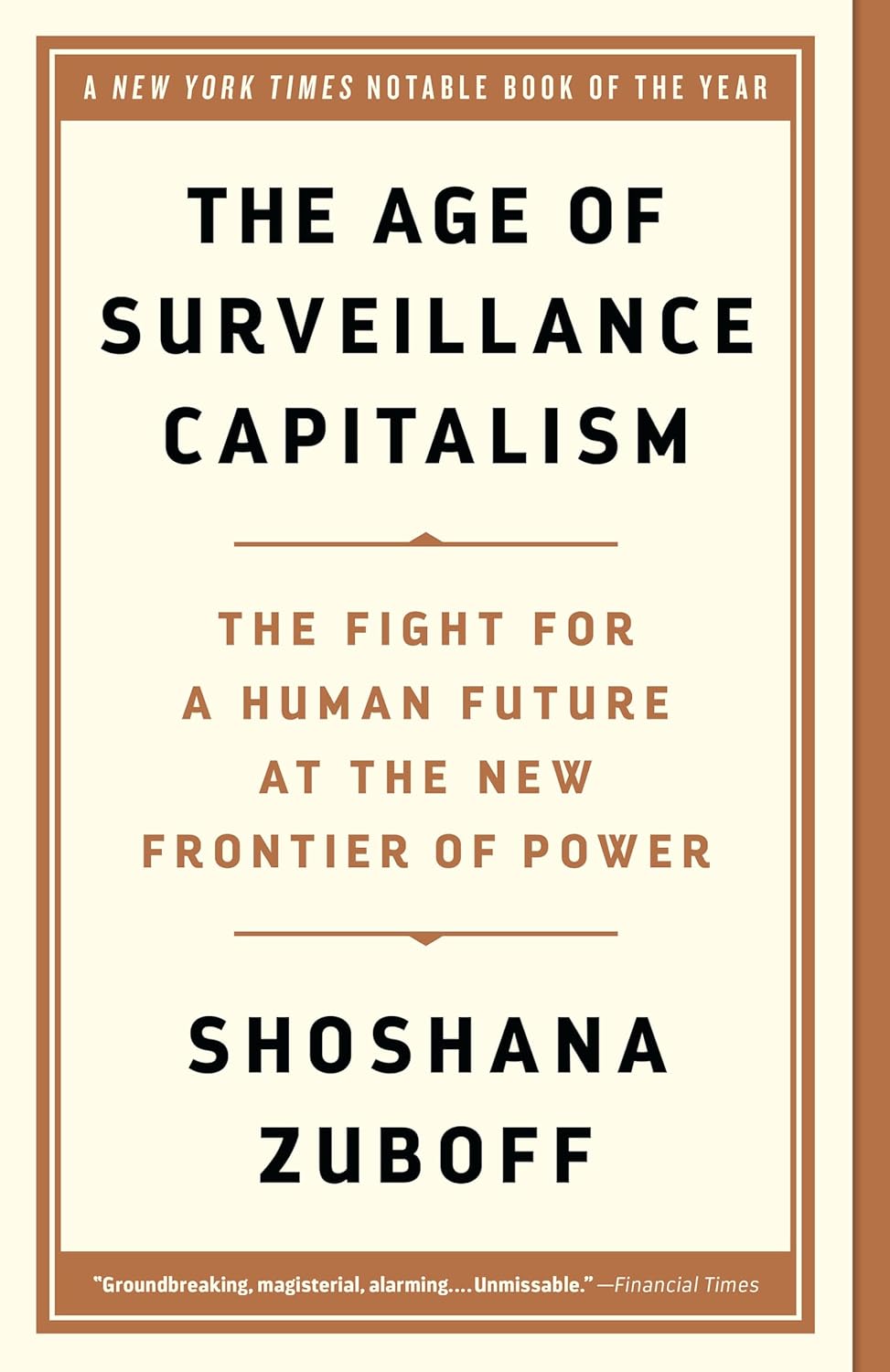 Age of Surveillance Capitalism” by Shoshana Zuboff
A foundational book explaining how companies profit from personal data. This book addresses the debilitating effects of surveillance capitalism from nearly every angle: political, personal, social, cultural, and economic. The author’s declarations are an indignant line in the sand, drawn boldly and without apology, as she takes back what has been stolen from us by big tech while we played on our phones. It reframes the debate around data mining in terms of human rights and human agency, clearly defining what is at stake: the right to determine our own futures free of the one-way mirror of surveillance capitalism. This mirror distorts not only our reflections, but also distorts us until we become the reflections themselves, our desires and thoughts unwittingly shaped by technology that is both invisible and inaccessible to us. Zuboff deftly incorporates a century of economics, philosophy, behaviourism, and social psychology. She offers us a warning that we ignore at our own peril. Just as the maladies of the industrial revolution (global warming, the poisoning of the environment, cancer) went largely unseen in nature for decades, so do the effects of surveillance capitalism on human nature.