Is Your Child Addicted? How AI Algorithms Hook Kids: 3 Simple Solutions
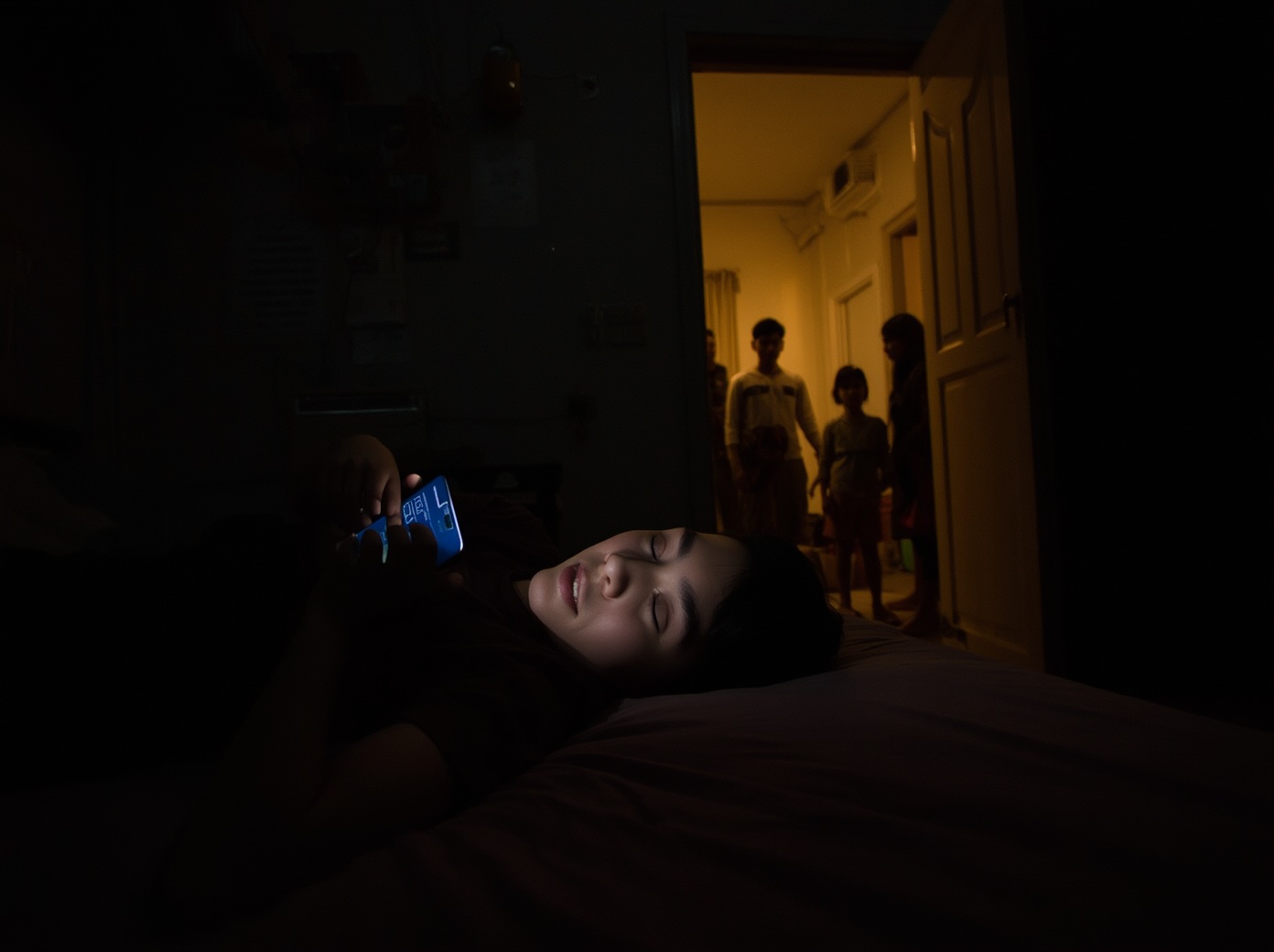
“Are TikTok and YouTube Using AI to Addict Your Child?”
Jonathan Haidt’s book The Anxious Generation hit millions of parents like a gut punch — and for good reason. The Harvard psychologist made the case that the smartphone-based childhood that emerged around 2012 is driving the worst youth mental health crisis in recorded history. But here’s what even Haidt’s book doesn’t fully capture: AI has made the addictive design of these platforms exponentially more powerful and also significantly impacted children’s mental health.
Let me explain what I mean.
In 2024, nearly half of U.S. teens — 48% — said that social media has a mostly negative effect on people their age. That’s up from just 32% in 2022 according to Pew Research Centre. Teens themselves are noticing that something is wrong. Yet they can’t stop. That’s not a weakness. That’s algorithm design and addictive behaviour built in like casino slot machines.
How AI Manufactures Addiction
The AI systems powering TikTok, YouTube, Instagram, and Snapchat are not neutral delivery tools. They are sophisticated engagement maximisation engines. Every second your child spends on these platforms, the AI learns what emotional content keeps them scrolling — what triggers curiosity, excitement, outrage, longing, or anxiety. Then it feeds them more of exactly that, in precisely the right sequence to prevent disengagement.
This is sometimes called “the attention economy,” and AI is its most powerful weapon to date. The AI doesn’t care whether the content is good for your child or not. It only cares whether your child keeps watching. A 2025 systematic review published in the Journal of Behavioural Addiction found that adolescents’ social media use skyrocketed from 2–3 hours before the COVID-19 pandemic to 5–10 hours during it — and AI-optimised feeds played a central role.
The University of Michigan found that 8th, 9th, and 10th graders in 2024 were spending an average of 3.5 hours daily on social media. The Mott Poll Report identified screen time as the number one child health concern for parents in America. And the WHO has officially recognised gaming disorder in its International Classification of Diseases (ICD-11).
Breaking the AI Engagement Loop
Here’s the good news: AI addiction is not permanent, and it is reversible — especially in young people. The most effective interventions combine three things:
- Environment change (removing the device from the bedroom) – to avoid the individual experience of their constant consumption of social media, do not allow or encourage them to stay in their bedrooms endlessly scrolling on their phones.
- Time structure (no screens in the hour before sleep) – this is the biggest habit to reinforce because it affects their long-term ability to control their impulses.
- Honest family conversation about how the algorithm works – one simple technique is to at the dinner table to ask children to describe what they’ve been watching and a follow-up question, how they can use it in their daily lives.
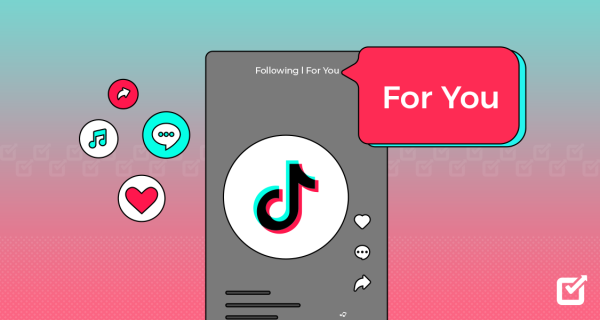
Children who understand that an AI is deliberately showing them emotionally provocative content to keep them watching are significantly more capable of resisting it. Transparency is a form of protection. Explain to your kids — in plain language — that the “For You” page on TikTok isn’t showing them what’s good for them. It’s showing them what the algorithm predicts will keep them there longest.
Set phone-free meals, phone-free bedrooms, and phone-free family time. Not as punishment — as protection. After you understand how AI algorithms hook kids, you can counter this targetted behaviour changes with the three simple solutions mentioned.
📚 Academic Reference
Trotzek, A. et al. (2025). The Effectiveness of School-Based Interventions to Reduce Problematic Digital Technology Use and Screen Time: A Systematic Review and Meta-Analysis. Journal of Behavioural Addiction, 14(2), 571–589.
Book Recommendation
 📖 Stolen Focus: Why You Can’t Pay Attention — And How to Think Deeply Again by Johann Hari (2022) — the book that changed how millions of parents understand what algorithms are doing to their children’s minds.
What to really appreciate about this book is that the author researches broadly and deeply, and presents his findings and thoughts clearly. In this sense, he distils many ideas and viewpoints into something manageable by parents.
If you like this book, I also recommend Lost Connections, to inspire you to take back your family’s attention, and reconnect the many areas of your lives that have been disconnected.