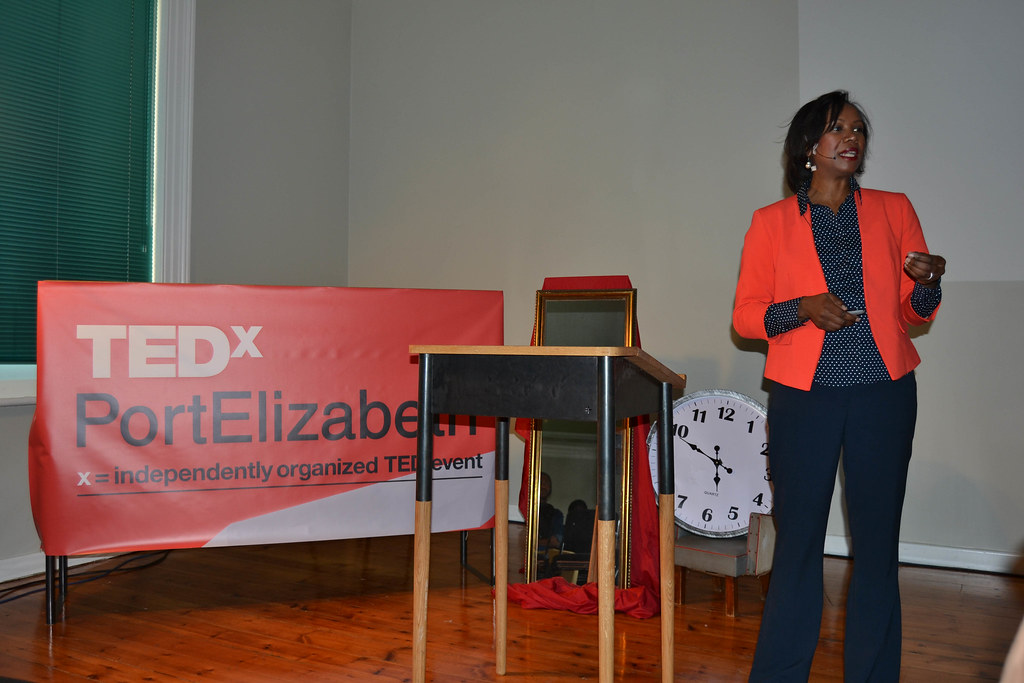
Today we’re celebrating the incredible Deshun Deysel at the 2016 TEDxPortElizabeth. She was our most high-profile speaker, born in Uitenhage, a high school teacher who turned mountaineer and international keynote speaker. She was part of the first South African expedition to climb Mount Everest in 1996, and among the first black women in the world to do so. I believe we met at the Women4Women conference about 10-years earlier.
Success is a universal aspiration, yet the path to achieving it often remains unclear. Many believe formal education, talent, or skills alone guarantee success. However, true peak performance involves more profound internal work alongside competence. This blog post explores five essential areas of effectiveness that collectively unlock lasting success and personal fulfilment.
Understanding Success: Beyond Talent and Education
Across cultures and backgrounds, the common advice for success emphasises learning something valuable—usually through formal education or skill-building. But is this enough? Many talented, skilled, and well-educated people still struggle to achieve the success they desire.
Competence is often seen as the foundation of success, comprising four key elements:
- Talent: Your innate raw material or natural strengths, such as creativity or problem-solving.
- Skill: The refined ability built through deliberate practice and learning.
- Knowledge: Information gained not only through formal education but also life experiences, conversations, and self-study.
- Experience: The practical application of talent, skill, and knowledge that enhances effectiveness.
While competence is vital, it surprisingly ranks third among the areas of effectiveness necessary for true success in the 5 essential areas for peak performance.
Area 1: Vision, Purpose, and Aspiration
Before competence can be meaningful, you need a clear vision. Vision answers the question: Where do I want to go? Without vision, talent and knowledge can feel directionless and unfulfilling. A vision without purpose risks becoming empty. Purpose is the meaningful “why” behind your goals. Viktor Frankl’s research on concentration camp survivors showed that those with a strong sense of purpose—such as returning to loved ones—were more resilient and likely to survive hardships. Beyond vision and purpose, your core values and principles shape how you live and pursue your aspirations. These internal guides ensure your journey aligns with what truly matters to you, helping you stay grounded during challenges.
Area 2: Self-Mastery – Managing Your Inner World
Success demands mastery over yourself. Life presents constant stress, distractions, and provocations—like frustrating traffic or conflicts—but how you respond defines your effectiveness. Consider climbing Mount Everest: climbers must wake up at 3:30 a.m. in freezing darkness, facing dangerous icefalls. Their motivation stems from a deeply internalised “why” that fuels perseverance despite hardship. People with strong self-mastery maintain control in difficult situations, stay motivated, and avoid seeing themselves as victims. They cultivate a strong moral compass and a sense of personal responsibility, which are essential for leadership and success.
Area 3: Competence – Building Skills and Experience
Once vision and self-mastery are established, competence becomes a powerful tool. Talents need to be developed through skills and enriched by knowledge—not just from classrooms but from diverse life experiences. Experience allows you to apply what you’ve learned and adapt to your environment effectively. It turns raw ability into valuable, practical competence that others recognise and rely on.
No one operates in isolation. Rules, social systems, workplace cultures, and communities form an environment that can either support or hinder your progress. Individuals lacking self-mastery or vision often feel intimidated by changing environments. Conversely, those grounded internally can assert themselves and thrive regardless of external circumstances. In today’s diverse world, success requires adapting to new, sometimes unpredictable environments while maintaining your core vision and values.
Area 5: Opportunity – Preparation Meets Chance
Many shy away from the label “opportunist” due to negative connotations. However, seeking and creating opportunities is natural and necessary for growth. A famous quote states, “Luck is when opportunity meets preparation.” Preparation involves cultivating your vision, purpose, self-mastery, and competence so you can recognise and seize opportunities when they arise. Highly effective individuals don’t wait passively for luck. They prepare thoroughly and position themselves in environments where opportunities become visible. Sometimes, others recognise their potential and offer opportunities directly.
The Continuous Journey of Personal Effectiveness
Peak performance and success are ongoing processes. Achieving one goal leads to new questions: What do I want next? Why do I want it? This cycle drives continuous personal growth. Meaningful and lasting change begins internally—with your vision, purpose, values, and self-mastery—and radiates outward into competence, environment, and opportunity.
Personal Story: From Vision to Achievement
As a child, inspired by stories of Queen Elizabeth’s coronation and Edmund Hillary’s conquest of Everest, Deshun imagined climbing Mount Everest myself. Despite societal obstacles, that early vision fueled decades of preparation and self-mastery. Eventually, I not only climbed Everest but did so twice, demonstrating how a clear “what” and “why,” combined with relentless preparation, leads to extraordinary achievement.
Practical Steps to Apply The 5 Essential Areas for Peak Performance
- Define Your Vision and Purpose: Spend time reflecting on what you truly want in life and why it matters deeply to you.
- Develop Self-Mastery: Practice emotional regulation, motivation, and resilience through mindfulness, journaling, or coaching.
- Build Competence: Identify your talents and develop relevant skills and knowledge through education and real-world experience.
- Optimise Your Environment: Seek or create environments that support your growth and align with your values and goals.
- Prepare to Spot Opportunities: Stay proactive—network, learn, and maintain readiness to capitalise on opportunities as they arise.
Conclusion: The Holistic Path
Success and peak performance are more than talent or education—they are rooted in a holistic approach that starts with internal clarity and mastery. By focusing first on vision, purpose, and self-management, then developing competence and navigating your environment, you create a foundation for recognising and seizing opportunities.
Remember, success is not a single achievement but a lifelong journey of continuous improvement. Begin by asking yourself: What do I want? Why do I want it? Let these questions guide your path to meaningful effectiveness and fulfilment. By embracing these five essential areas, you set yourself on a path to sustainable success and peak performance, transforming not only your achievements but also your personal growth and fulfilment.
Post-conference interview with Deshun Deysel
For booking Deshun Deysel, contact her directly via the Go Peak International website.