Today I’m sharing the second speech from the 2016 TEDxPortElizabeth conference by Colleen Grewar: Bratz Dolls As Therapy For A Son’s Epilepsy. I first met her while working as a student at First National Bank, Uitenhage. She used to be the switchboard operator, and I thought she had the most amazing voice at the time.
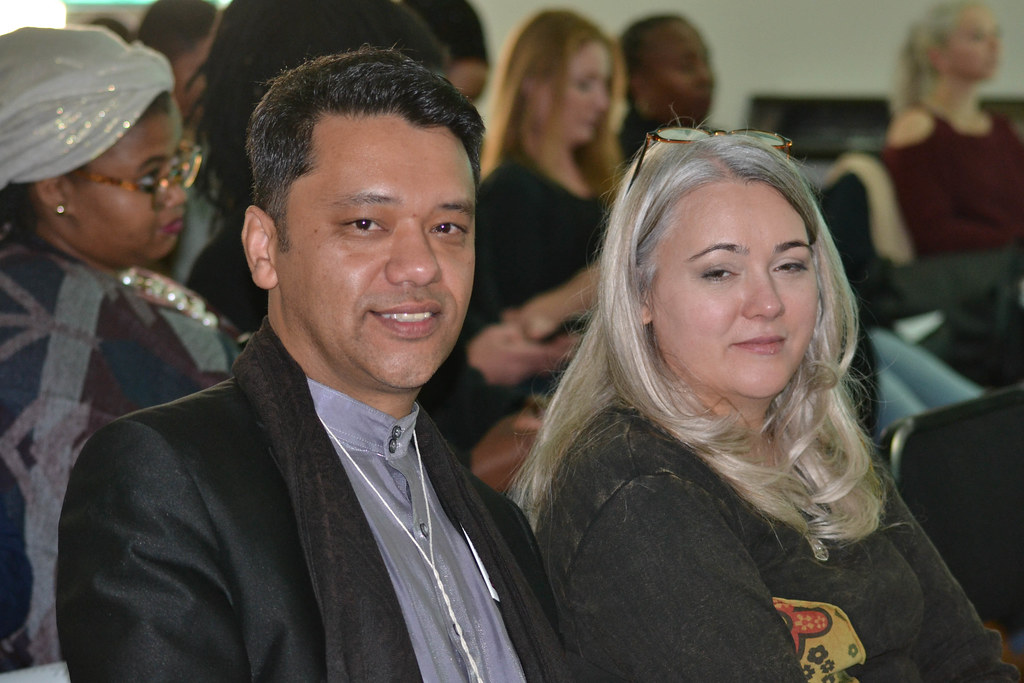
Bratz Dolls, Epilepsy, and A Mother’s Unbreakable Bond
A Unique Story
Collecting Bratz dolls might seem like an unusual hobby for a 49-year-old woman, especially when some might expect older women to collect cats. However, this story goes beyond mere collecting. It’s about Colleen’s profound connection to her son, who suffered from severe epilepsy and developmental challenges. The Bratz dolls became not just toys, but vital tools of communication and comfort.
A Family’s Struggle with Epilepsy
In 2002, a mother’s life changed forever when her two-year-old son, Geredon, experienced his first grand mal seizure. This was just the start of a difficult medical odyssey. Geredon was hospitalised multiple times, diagnosed with epilepsy, and endured relentless seizures every day for four years. His condition necessitated frequent visits to specialists and neurologists, racking up co-payments exceeding ZAR44,000.
The relentless seizures severely altered Geredon’s behaviour. Once a healthy, active boy, he developed autistic-like symptoms and became increasingly difficult to communicate with. He was prone to tantrums and fixations, especially on trucks, diggers, and excavators, shutting out the world around him. This transformation took an emotional toll on the entire family, with Geredon’s older brother having to step back amid the chaos.
Discovering a Therapeutic Medium: Bratz Dolls
One day, Colleen noticed Geredon interacting with Bratz dolls — not in play, but in conversation. These dolls became his confidants; through them, he expressed his hopes, fears, and desires in ways he never had before. His mother would respond, creating a dialogue that brought them closer despite his condition.
Colleen also introduced My Little Ponies, hoping to encourage affection towards animals. Unfortunately, Geredon rejected real animals like cats and dogs, often reacting negatively towards them. But with the Bratz dolls, a remarkable shift occurred: Geredon spoke to them, shared stories, and started to express himself in ways that defied his earlier silence.
The Epilepsy Diagnosis and Medical Turning Point
By 2006, a neurologist discovered that epilepsy had affected four parts of Geredon’s brain. The treatment was complex; he was administered epilepsy medication as well as antipsychotics typically used for schizophrenia — not because he was schizophrenic, but to control his behaviour.
Remarkably, after four months on the epilepsy medication Epilim, Geredon became seizure-free. By age 10, he was taken off all medication. While he remains mildly mentally handicapped and unable to read or write, Geredon developed a unique personality and interests.
Geredon’s Interests and Growth
Geredon astonished Colleen with his enthusiasm for history, particularly World War I and II. Despite his disabilities, he independently researches complex topics on tablets and shares his knowledge, showing an extraordinary spark of intelligence.
Geredon once expressed sadness about losing his original Bratz dolls, taken away by his aunt who believed dolls were inappropriate for a boy. This loss led his mother to rebuild the collection by sourcing dolls from eBay and international sellers, despite shipping challenges to South Africa.
The Origins and Collector’s Value of Bratz Dolls
The Bratz dolls originated amidst corporate conflict. Created in 2002 by a designer who formerly worked for Mattel, the dolls sparked a legal battle after Mattel claimed rights to the designs. A 2008 federal court ruling favoured Mattel, halting further production and making existing Bratz dolls valuable collectors’ items
Post-Conference interview with Colleen Grewar
The Personal Triumph Behind the Collection
For Colleen, buying these dolls was not just an investment but a way to reconnect with her son. The dolls served as a bridge during a very challenging period, turning months of silence and isolation into moments of communication and love.
Today, Geredon is “a human being”, in his mother’s words — able to communicate, have a personality, and engage with the world in a way that once seemed impossible. This story is a testament to how unconventional methods and unwavering dedication can help overcome extraordinary challenges. It turned out that Bratz dolls as therapy for a son’s epilepsy works.
Conclusion: More Than Just Dolls
The journey of Colleen Grewar and her son teaches us valuable lessons about perseverance, love, and creativity in adversity. Bratz dolls, initially just toys, transformed into life-saving tools fostering communication, understanding, and healing. Whether you are a collector, a parent, or someone facing a tough battle, stories like this remind us that hope can be found in the most unexpected places.