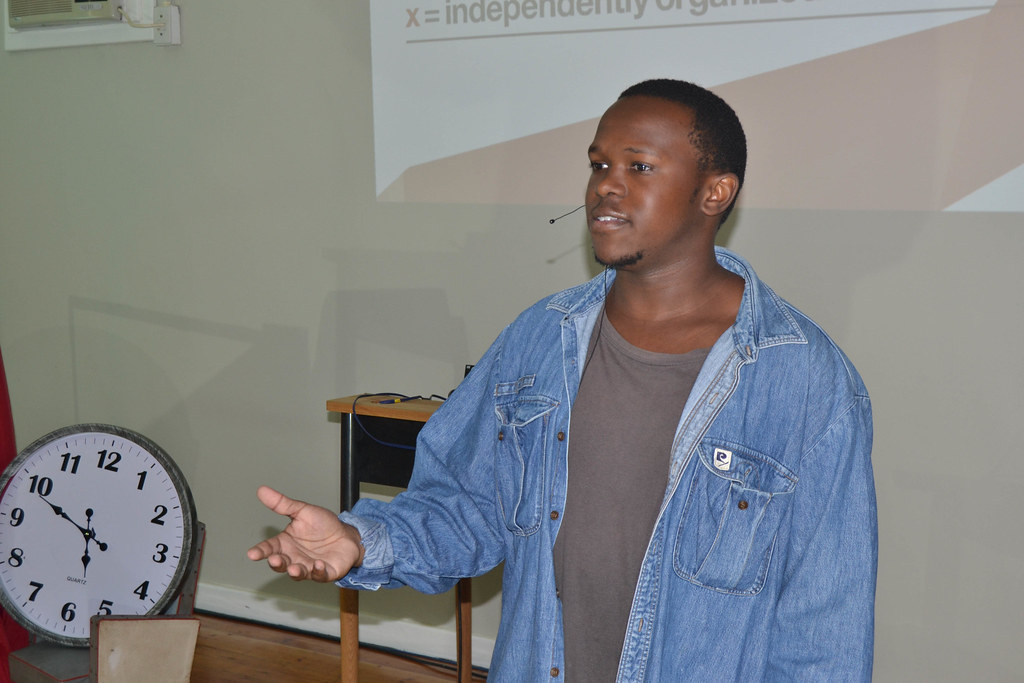
Today is the 7th in my series of blog posts celebrating the TEDxPortElizabeth 10th Anniversary. Jackson Mthembu was one of the first people who reached out to our group asking for an opportunity to deliver a TEDx Talk. This idea of how the hidden curriculum in school shapes masculinity and suicide risk, especially among boys.
This topic of masculinity and emotional distress in modern relationships that lead to increased suicide among men is one that I was deeply aware of because of an earlier career as a dating coach for men. I have since supported and worked with organisations like Father a Nation, started by my friend Craig Wilkinson.
Understanding the Hidden Curriculum in Schools
When we think about school, most of us focus on the formal curriculum: math, reading, writing, and science. These are the skills traditionally taught and assessed in classrooms. However, schools also teach something far subtler and often overlooked—the hidden curriculum. This refers to the informal lessons, values, behaviours, and social norms that students absorb without direct instruction. It includes everything from how students learn to behave, conform, and understand social roles, to the unspoken messages about identity and power.
The hidden curriculum shapes students beyond academic knowledge; it moulds their social and emotional development. While parents and educators often emphasise grades and test scores, the hidden curriculum quietly influences attitudes about gender, authority, emotional expression, and social status. These lessons can be empowering or damaging, depending on what is implicitly taught and reinforced.
The Role of Schools in Social and Emotional Development
Schools are not just places to acquire knowledge; they are foundational social environments where children learn how to interact with others and understand societal expectations. From preschool onward, children pick up on norms related to behaviour, communication, and relationships. However, much of this learning is unintended and unnoticed, yet it profoundly impacts how children perceive themselves and others.
One critical area neglected in formal education is emotional literacy—the ability to recognise, understand, and healthily express emotions. Many students, especially boys, grow up in environments where emotional expression is discouraged or stigmatised. This lack of emotional tools can lead to difficulties in communication, increased mental health struggles, and social isolation.
Gender Roles and Their Early Formation in School
From the first grade, children are often separated by gender, implicitly reinforcing stereotypes. Boys are associated with strength and assertiveness, while girls are portrayed as passive and submissive. This division extends to curriculum choices, classroom interactions, and even the types of books and activities offered. These early lessons are part of the hidden curriculum, teaching children what society expects of them based on their gender.
Boys are frequently told to “be a man,” “suck it up,” and avoid showing vulnerability. This socialisation discourages emotional openness and fosters a toxic form of masculinity. Boys learn to suppress feelings, which can contribute to mental health issues, including depression and suicidal ideation. The tragic reality is that while more women may experience suicidal thoughts, men die by suicide at higher rates, often using more violent means.
The Long-Term Consequences of the Hidden Curriculum in School
The hidden curriculum’s lessons about gender and emotion do not disappear once students leave school; they influence adult relationships, work environments, and societal structures. Misogyny, patriarchy, and violence often have roots in these early learned behaviours. When boys are taught to suppress emotions and assert dominance, it can lead to anger management issues, domestic violence, and difficulties in forming healthy relationships.
Many organisations focus on changing adult behaviour through interventions and awareness campaigns. While important, this approach often tackles symptoms rather than causes. The speaker argues for examining and reforming the hidden curriculum itself—addressing these norms and values at their origin to prevent harmful behaviours before they take root.
Rethinking Education: Towards a More Inclusive Curriculum
Math, science, and reading are essential skills, but they are not enough. Schools need to integrate social-emotional learning (SEL) into their curricula to foster emotional literacy and challenge harmful gender stereotypes. Teaching children how to communicate emotions, respect differences, and develop empathy could transform future generations.
One of the biggest challenges is dismantling the stigma around emotional vulnerability, especially for boys. Schools should create environments where students feel safe to express feelings without judgment. This could involve training teachers, revising disciplinary policies, and encouraging open dialogue about gender and emotions. This TEDx Talk explores how the hidden curriculum in school shapes masculinity and suicide risk, especially in boys.
Practical Steps for Parents and Educators
Awareness is the first step. Parents and teachers must understand that much of what children learn in school is informal and unintentional but influential. Observing how children relate to peers, how gender roles manifest, and how emotions are handled can provide insight into the hidden curriculum’s impact.
Engage with school boards and educators to push for curricula that include social-emotional learning and gender sensitivity. Support programs that promote inclusivity and mental health awareness. Encourage schools to evaluate not only academic outcomes but also the social environments they create.
Parents can complement school efforts by encouraging children to express emotions openly and model healthy emotional behaviour themselves. Challenging traditional gender norms at home can help counteract some of the hidden curriculum’s negative effects.
Conclusion: Why the Hidden Curriculum Demands Attention
Schools are among the most influential institutions in shaping children’s futures—not just academically but socially and emotionally. The hidden curriculum silently teaches norms and expectations about gender, behaviour, and emotional expression that impact individuals and society profoundly. By acknowledging and addressing these underlying lessons, educators, parents, and policymakers can create safer, more equitable environments that nurture the whole child.
If we ignore the hidden curriculum, we risk perpetuating cycles of emotional suppression, gender inequality, and violence. But by reforming how we educate—not just what we teach—we have the power to foster healthier, more empathetic generations. The question remains: if school is the most dangerous place to send a child, how can we transform it into the safest?
Post-conference interview with Jackson Mthembu