 So digital well-being is not about balance; it’s really about who has the power. We often talk about “digital balance” as if the relationship between users and platforms were equal. It is not.
Digital well-being is not about finding the perfect number of hours or the right productivity app. It is about power and agency. Who sets the terms? Who benefits from engagement? Who pays the psychological cost?
When technology dictates our rhythms — when notifications interrupt thought, when platforms decide relevance — we lose something fundamental: the ability to choose our own pace. Do you choose what to watch on YouTube, Instagram or TikTok? No. The Algorithm learns your preferences and shows you more of the same. This ultimately leads to confirmation bias or what’s called the digital echo chamber.
It is the self-reinforcing beliefs that never get challenged. This is so clear in American politics between the right and the left, between Republican and Democratic voters. When you are right-wing, you follow right-wing content creators and influencers; when you are left-wing, you follow left-wing people. So you are never exposed to any opinions that can challenge you to think deeply about the issues at hand.
Reclaiming digital well-being begins with awareness. Not withdrawal, but intention. Not rejection, but discernment.
The most important digital skill today is not speed or connectivity. It is consciousness. So much activity taking place online, like what is called “infinite scrolling”, is almost mindless, the result. You watched a bunch of short videos, and you don’t remember what the point was, what you learned, or what you understood. All you know is you agree with it, and you feel good about it.
Because when you understand how technology works on you, you can decide how much of yourself you are willing to give it. You need to become a conscious user of technology, not a brainless automaton just copying everyone else’s passive behaviour.
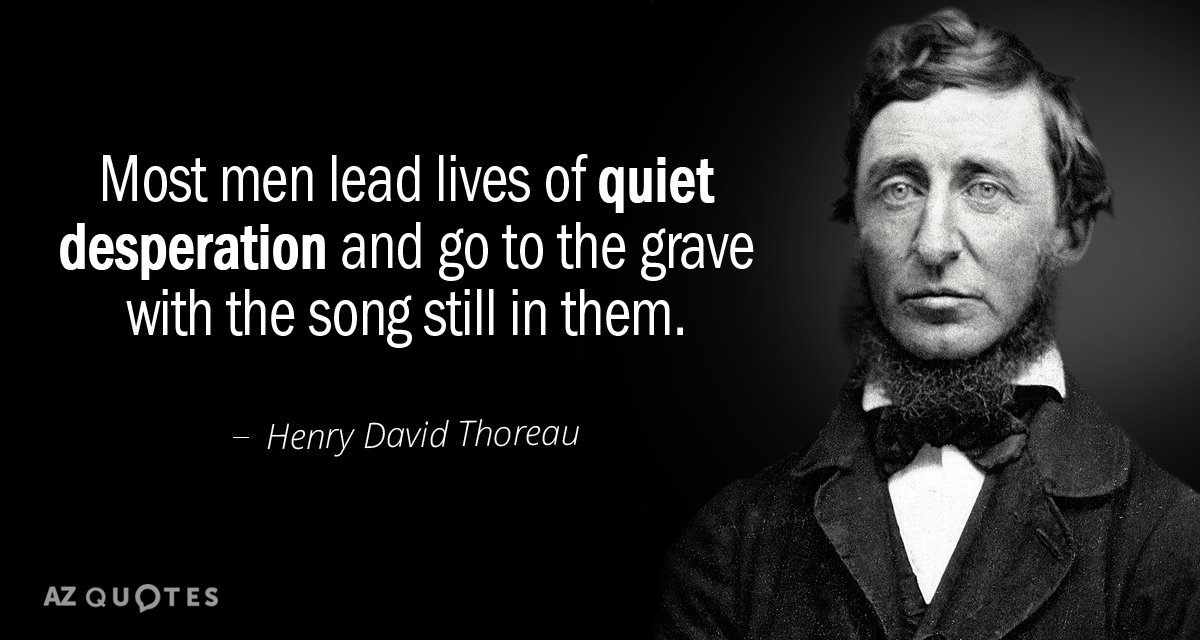
This is why Henry David Thoreau said most men lead lives of quiet desperation. As long as you are a passive consumer using free social media apps, you have no power. So you either become a content creator or you completely disengage from social media and online platforms.
Digital well-being is not about balance
Do you have the power to say no? It’s like a woman meeting a man for the first time, and he tries to seduce her. Does she have the agency, the power to refuse, to reject him and force him to get to know her first? So it must be with the online platforms we engage with. We need to be able to say no, this app is not for me, this social media is not for me, and be ok with it. It’s not the end of the world. You have the power over your life, but you give it away.
Michael Tsarion, an esoteric teacher from Ireland, used to ask, “Have we been sold a lie or have we bought a lie?” There is so much power inside of us, it’s hard to fathom. The way technology manipulates us, controls and predicts our behaviour, it seems like a lost cause, especially for our children.
The path to well-being is taking back your power. Taking back control of your life. You stop being a passive scroller online, and you become a creator. You put something of value out into the world. You become the architect of your own life. This is the lesson we need to teach our children. And this can only be done when we lead by example.
Too many parents are themselves endlessly scrolling on social media, while telling their children it’s bad, it’s not good, and they need to limit their time spent online. The only way to really reach them is by committing to changing your own online behaviour, then having the courage to take action,i.e. create content or remove the apps, learn new capabilities, and finally building your confidence. These are the 4 C’s Formula taught by Dan Sullivan from Strategic Coach.